
Stop Buying New Toys. Do This Instead.
How to Make Old Toys Feel New Again
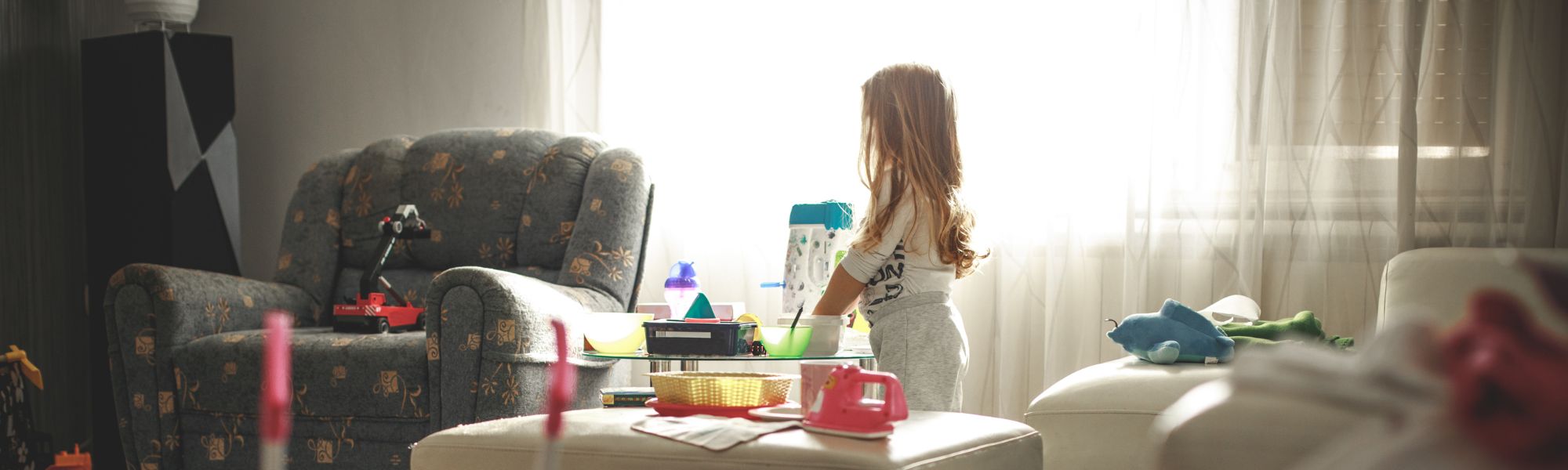
Every parent knows the scene. You walk into the living room after a long day, only to find the floor covered in a sea of toy cars, dolls, and building blocks. The couch has been turned into a castle, and every step feels like a risky game of avoiding sharp toy pieces underfoot.
What’s even more surprising is how kids react in this situation. Despite being surrounded by mountains of toys, they often complain of being bored and having nothing to play with. Too many options can overwhelm them, making it hard to focus on just one activity.
The solution to this daily chaos isn’t buying more toys or constantly nagging for cleanup. There’s a practical strategy that can transform your living room from a battlefield into a calm, organized space—all while making old toys feel exciting and new again.
The Psychology Behind Toy Overload
Young children, especially toddlers, struggle to manage too many choices. When they’re surrounded by a cluttered mess of toys, their attention gets pulled in every direction. They might pick up a toy car for a few seconds, abandon it for a puzzle they won’t finish, and eventually race aimlessly around the room.
Having too many toys actually stifles imagination and creativity. Kids don’t need to invent new ways to play with a single item when there are dozens of other distractions nearby. By reducing the number of available toys, you give them the chance to focus, think creatively, and truly appreciate what they already have.
The Magic of Toy Rotation
One of the most effective ways to keep your living room tidy and your kids engaged is a simple yet powerful technique called “toy rotation.”
How It Works
Instead of having every toy available all the time, divide them into smaller groups. Leave out only a small selection in your living room or the kids’ room, and store the rest in boxes or cabinets, out of sight.
Every week or two, swap out the toys. Put away the ones currently in use and replace them with a “new” batch from storage. For your child, this feels like unwrapping new gifts. Toys they haven’t seen or used in months suddenly seem fresh and exciting again.
Steps to Get Started
- Gather Everything Together: Start by collecting all the toys in one spot. Use this opportunity to sort through what’s broken, what’s no longer age-appropriate, and what can be donated.
- Create Balanced Toy Groups: When packing storage boxes, make sure each one has a mix of different types of toys. Include a puzzle, a book, a building set (like blocks), and something for pretend play (like action figures or dolls) in each box.
- Organize Your Living Room: Use attractive storage solutions like baskets, wooden boxes, or shelves that complement your living room’s decor. With fewer toys on hand, it’s much easier to blend them neatly into your space without creating visual clutter.
Smart Storage Ideas for the Living Room
Since the living room is a shared family space, your storage needs to be practical and stylish. Multipurpose furniture is a great option. Ottomans with built-in storage can hide dozens of small toys.
Woven or fabric baskets are also ideal. Place them under the coffee table or in the corners of the room. Their biggest benefit? Kids can quickly toss their toys inside when cleanup time comes, making tidying up a breeze.
Present Old Toys in New Ways
Sometimes, simply rotating toys isn’t enough. The way you present them can make all the difference.
Rather than dumping a box of blocks on the floor, try building a small house and leaving it half-finished for your kids to discover in the morning. Their curiosity will inspire them to complete the structure. If you have plastic animals, set them up in a line on the table alongside a few nature-themed books. These “invitations to play,” as they’re called, spark imagination and breathe new life into toys that might otherwise be ignored.
Frequently Asked Questions (FAQ)
How many toys should I leave out at a time? The ideal number varies based on your child’s age, but a good rule of thumb is around 10 to 15 types of toys at any given time. This allows for variety without overwhelming them.
What if my child asks for a specific toy I’ve stored away? Toy rotation should be flexible. If your child remembers and asks for a particular toy, feel free to give it to them. The goal is to reduce clutter, not impose strict rules.
How often should I rotate the toys? Pay attention to your child’s behavior. When they seem bored with their current toys or start leaving a bigger mess because they’re not really playing, it’s time for a switch. This typically happens every one to two weeks.
Bring Peace Back to Your Space Today
Transforming your living room from chaotic to organized doesn’t require expensive solutions. With a little planning and the clever toy rotation method, you can help your kids play more creatively and focus better—while also giving their old toys new life.
Start today by sorting through the toys. Divide, store, and keep only the essentials in the living room. The results will reward both your home’s aesthetic and your family’s peace of mind.