Wedding Ready: A Parent’s Guide to Preparing Kids by Age Group
There is something truly magical about seeing children at a wedding. Flower girls tossing petals with serious concentration, ring bearers in tiny tuxedos, and toddlers bopping on the dance floor, and if they remain magical these moments often steal the show. But let’s be honest: for parents, bringing children to a wedding can also be stressful.
Will they sit still during the vows? Will they have a meltdown during the speeches? Weddings are long, sensory-rich days that challenge even the most well-behaved children. As most moms know well, the secret to a stress-free celebration lies in preparation. When kids know what to expect—and you have a game plan for when they get bored—everyone enjoys the party more.
Here is your comprehensive guide to preparing your children for the big day, broken down by age group.
Toddlers (Ages 1-3): The Wild Cards
Toddlers are unpredictable. They live entirely in the moment, which makes them adorable guests but challenging attendees during quiet ceremonies.
What They Should Expect
At this age, a wedding is overwhelming on the senses of toddlers. Loud music, strange foods, unfamiliar faces closing on them wanting to pinch their cheeks, and a disruption to their usual nap schedule will certainly make their responses even more unpredictable. They will likely be in a new environment that isn’t child-proofed, wearing clothes that feel different from their usual playwear.
What Is Expected of Them
Realistically, very little should be expected of a toddler. The goal is simply to keep them content and relatively quiet during the ceremony. They are not capable of sitting still for 45 minutes without stimulation. If they are part of the bridal party, walking down the aisle is a massive achievement; standing at the altar is usually too much to ask.
Survival Tips for Parents
- The Escape Route: During the ceremony, sit on the aisle in the back row. If your little one starts to fuss or cry, you can make a quick, discreet exit without disrupting the vows.
- Sensory distraction: Pack a "quiet bag" with new, silent toys. Think sticker books, soft dolls, or mess-free coloring pads. Avoid anything that beeps or crinkles loudly.
- Comfort is key: If the outfit is itchy, the child will be cranky. Bring a comfortable change of clothes (like soft pajamas) for the later reception hours so they can sleep in a stroller or designated quiet room.
- Snacks on demand: A hungry toddler is a loud toddler. Pack their favorite non-messy snacks (puffs, pouches) to bridge the gap between meal service times, which often run late for little tummies.
Preschoolers (Ages 4-6): The Enthusiastic Helpers
Preschoolers often love the idea of a "party" and dressing up, but their attention spans are still short, and they can easily become overstimulated.
What They Should Expect
Explain to them that a wedding is a happy promise between two people who love each other. Warn them that there will be a "serious part" (the ceremony) where we have to be quiet listeners, followed by a "party part" (the reception) where we can dance and eat cake. Prepare them for the waiting—there is often a lot of standing around while adults take photos.
What Is Expected of Them
Preschoolers can understand basic instructions like "whisper voices" and "stay in your seat." They can usually handle a 20-30 minute ceremony if they have something to look at. Socially, they may be expected to say hello to the couple or pose for a family photo.
Survival Tips for Parents
- Roleplay beforehand: In the weeks leading up to the wedding, play "wedding" at home. Practice sitting quietly for five minutes, then ten. Practice "whisper talk."
- The Job Description: Give them a job to do. Ask them to be the "flower spotter" (count how many flowers they see) or the "color detective" (find everything that is blue). This keeps their brain engaged during the boring bits.
- Movement breaks: During the reception, let them burn off energy. If there is an outdoor space, take them for a run before dinner is served.
- Visual cues: Bring a visual timer or explain time in concrete terms: "We have to sit until the music starts playing loudly."
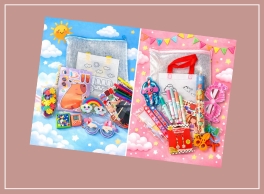
- Surprise them with a goody-bag with crayons, play doh with cutters, crayola markers, snacks, sweets, make-your- keyring set, funny glasses.
Kids Wedding Activity Pack on Etsy, CHF 33.96
School-Age Kids (Ages 7-12): The Social Butterflies
This is often the easiest age group for weddings. They are independent enough to use the restroom alone and social enough to enjoy the festivities, but they can still get bored during long speeches.
What They Should Expect
Prepare them for the structure of the event. Explain the sequence: Ceremony, Cocktail Hour, Dinner, Dancing. Let them know that the food might be "fancy," so they might encounter things they haven't eaten before. Discuss table manners and the importance of not running on the dance floor during the couple’s first dance.
What Is Expected of Them
School-age children should be able to sit through the ceremony respectfully without electronics. At the reception, they are expected to stay at the table during dinner and interact politely with other guests. They should understand personal space—no sliding across the dance floor while waiters are carrying hot food!
Survival Tips for Parents
- The "Kids' Table" Strategy: If there is a kids' table, introduce them to the other children early on. If they make a friend, your job is 90% done.
- Disposable Cameras: Give them a disposable camera or an old phone and task them with capturing "behind the scenes" moments. It gives them a creative focus and makes them feel included.
- Table Games: A deck of cards, Uno, or a small travel board game can be a lifesaver during the lull between dinner courses and dessert.
To make a game of Uno even more engaging surprise your little one with a personalized fluted card box to keep their cards organized at the children's table, CHF 16.96 on Etsy.

- The Food Plan: If your child is a picky eater, feed them a solid meal beforehand. A hungry 10-year-old staring at a plate of seared scallops is a recipe for complaints.
Teens (Ages 13+): The Reluctant Guests
Teens can be great wedding guests, but they often struggle with feeling out of place—caught between the kids running around and the adults drinking cocktails.
What They Should Expect
Teens should know the dress code and the timeline. Prepare them for the inevitable questions from well-meaning relatives: "How is school?" "Do you have a boyfriend/girlfriend yet?" "Look how tall you've grown!"
What Is Expected of Them
Teens should display adult-level manners. This means dressing appropriately, greeting the hosts, putting their phone away during key moments (ceremony, speeches, first dance), and perhaps helping with younger siblings or cousins if asked.
Survival Tips for Parents
- The "Plus One" or Buddy System: If possible, let them bring a friend, or ensure they know a cousin their age will be there. A bored teen with a peer is much happier than a bored teen alone.
- Negotiate Phone Use: Instead of a blanket ban, agree on "phone-free zones" (ceremony and dinner) and "phone-okay zones" (cocktail hour and dancing).
- Involvement: If appropriate, ask the couple if your teen can help with something specific, like handing out programs or managing the guest book. Feeling useful reduces social awkwardness.
The Bottom Line
Preparing your children for a wedding isn't just about preventing tantrums; it's about helping them become gracious guests. It teaches them about social rituals, family bonding, and the joy of celebrating others.
By managing expectations—both yours and theirs—you set the stage for a day that is memorable for the right reasons. So pack that activity bag, lower your expectations for the toddlers, and get ready to hit the dance floor with your family.