Peace in the Playroom: Tips to Reduce Sibling Rivalry
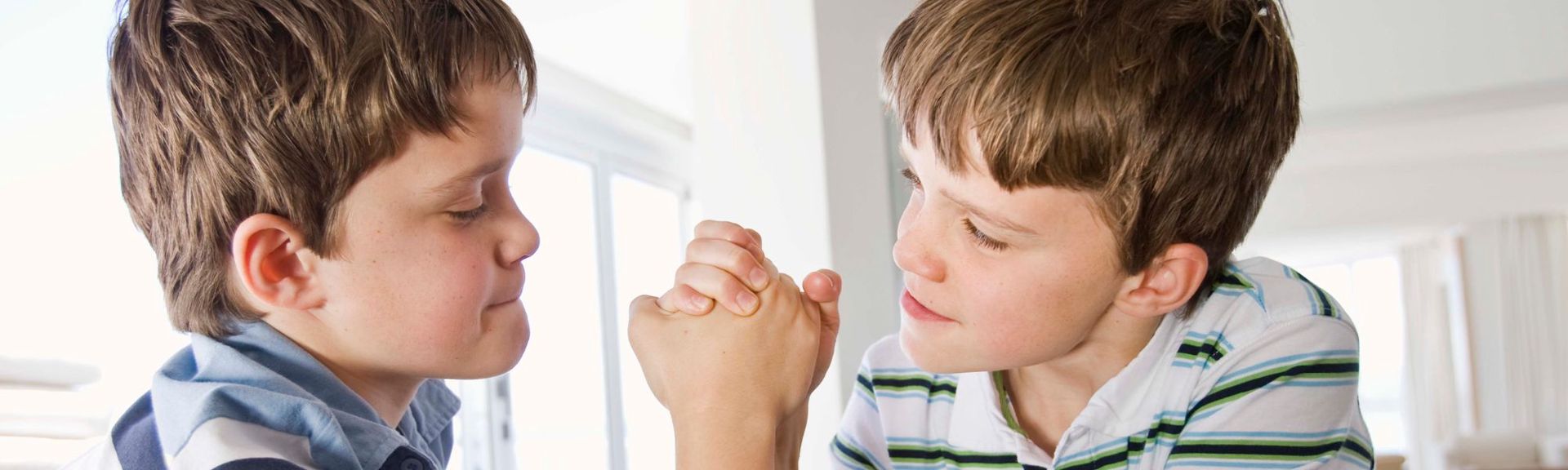
It’s a scene every parent knows well: a quiet afternoon is suddenly shattered by screaming, crying, and the inevitable accusation, "He took my toy!" Sibling rivalry is inevitable and, to some extent, completely normal. It’s part of the learning process for sharing, negotiating, and resolving differences. However, when conflicts become a daily occurrence, they can disrupt the peace of the home and exhaust parents.
The key isn’t to eliminate disagreements entirely, but to give children the tools to manage them in a healthy way. There are strategies that can reduce tension and foster a more harmonious relationship between your children. Let’s look at some practical ways to achieve more peace at home.
Establish Clear Rules of Conduct
Children need boundaries to feel safe. It is important to create a "family code" that is understood by everyone.
- Zero Tolerance for Violence: Make it clear that hitting, kicking, and pushing are not acceptable under any circumstances.
- Verbal Respect: Ban name-calling, insults, and yelling.
- Consequences: Discuss in advance what the consequences will be if these rules are broken, and enforce them consistently, without shouting or anger.
Teach Kids How to Solve Their Own Problems
Instead of immediately stepping in as a referee, try to become a mediator. The goal is for children to learn to find solutions on their own.
When a fight breaks out over an object, instead of deciding who gets it, ask them: "We have one toy and two kids who want to play. What do you think is a fair solution?" You might be surprised by their ideas, such as using a timer or taking turns. This reinforces negotiation skills and empathy.
Dedicate Individual Time to Each Child
Often, conflicts stem from a need for attention. When a child feels they are "losing" their parent to a sibling, they may react aggressively.
Try to spend even 10-15 minutes a day exclusively with each child, doing something they enjoy. This "special time" fills their emotional cup and reduces the need to demand your attention through negative behaviors.
Avoid Comparisons
The phrase "Why can't you be quiet like your brother?" adds fuel to the fire. Comparisons create competition and resentment. Each child is unique, with their own strengths and weaknesses.
Praise each child for their own achievements, without relating them to those of their sibling. Acknowledge their individuality and avoid using labels like "the smart one," "the naughty one," or "the athletic one."
Lead by Example
Children mimic what they see. If parents resolve their own disagreements with shouting and tension, children will do the same.
Try to manage conflicts with your partner or other adults with calmness and respect. Show them how to apologize, how to listen to the other person's point of view, and how to reach a compromise. You are the most significant role model for them.
Building a Lifelong Bond
Siblings are, for many, the longest-lasting friends they will have in life. By helping them manage their conflicts now, you are investing in their future relationship. Remember that changes don't happen overnight. With patience, consistency, and love, you can transform the battlefield into a space of cooperation and understanding.