School Anxiety: Are Kids Under Too Much Pressure?
School years are often thought of as the most carefree time in life. However, for many students today, the reality couldn’t be more different. Increasing academic demands, daily tutoring sessions, and endless extracurricular activities create a highly stressful environment that leaves little room for rest.
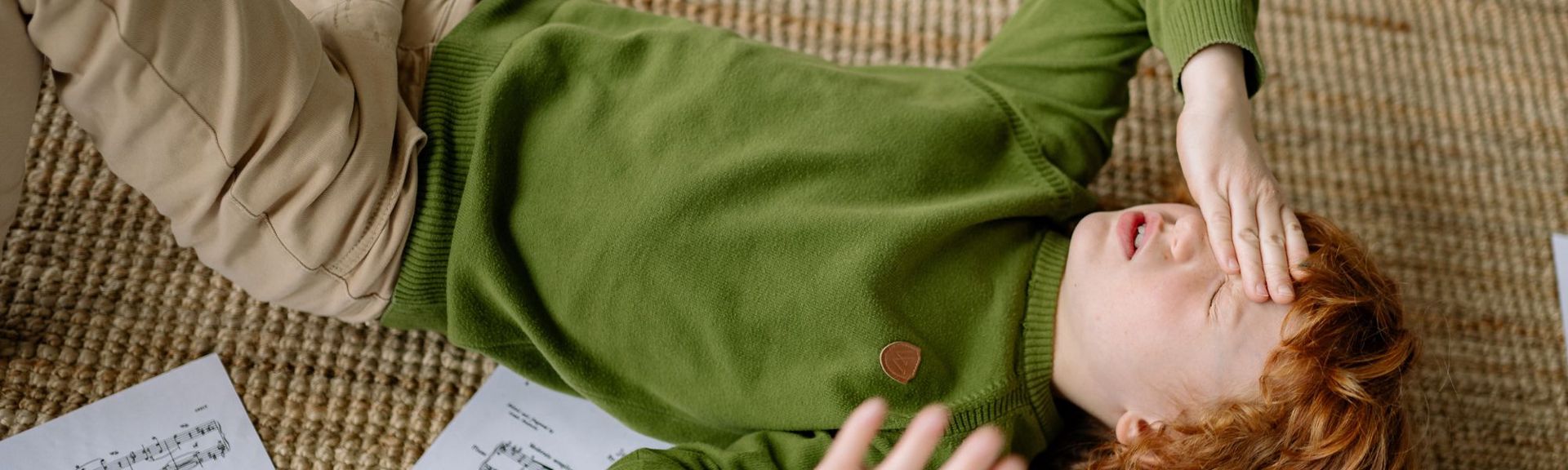
School-related anxiety has become a common issue, deeply affecting children’s daily lives. The constant pressure to perform well, the fear of exams, and the dread of failure often push kids beyond their physical and emotional limits. This ongoing stress takes a toll on their mental health, behavior, and physical well-being.
Recognizing the signs of this excessive pressure is the critical first step. Parents play a key role in protecting their children from burnout by helping them strike a healthy balance between responsibilities and personal well-being.
How School Anxiety Manifests in Kids
Children don’t always express their anxiety verbally. The pressure they feel often shows up through noticeable changes in their body and behavior.
Physical Symptoms
Excessive stress triggers immediate physical reactions. Many kids frequently complain about unexplained headaches or stomachaches, especially in the mornings before school. Sleep disturbances, such as trouble falling asleep or recurring nightmares, are also clear signs that their nervous system is under significant strain.
Emotional and Behavioral Changes
Emotional stress changes how kids interact with the world around them. Common signs include irritability, sudden outbursts of anger, or frequent crying without an apparent reason. Many children also lose interest in activities they once loved and may withdraw from friends and classmates.
The Causes Behind the Overload
The root of the problem often lies in overly packed daily schedules. Kids are expected to function like mini adults, often working more than eight hours a day when you factor in school, homework, and language classes.
Additionally, the fear of failure and high expectations from their environment create constant pressure. Children often feel that their worth is determined solely by their grades, turning the learning process into a relentless survival race.
Practical Solutions and Guidance for Parents
Reducing school-related anxiety requires active involvement and understanding from parents. Here are specific steps you can take to create a more supportive environment.
Open and Meaningful Communication
Kids need a safe space to share their fears without the threat of criticism. Spend time daily talking with them, asking about more than just their grades. Show empathy and listen carefully to their concerns. When children feel their parents understand the pressure they’re under, their anxiety lessens significantly.
Reassess Extracurricular Schedules
Take a closer look at the number of activities your child is involved in. Talk with them to identify which activities they truly enjoy and which feel like just another obligation. Cutting back on one or two extracurriculars can free up valuable time, allowing them to rest both physically and mentally.
Focus on Effort, Not Just Results
Shift your perspective on success. Instead of concentrating solely on final grades or test scores, praise your child’s effort, consistency, and dedication. This approach builds their confidence and teaches them that mistakes are a natural part of learning, freeing them from the trap of perfectionism.
Encourage Free Time and Play
Free time is not wasted time. It’s essential for mental health. Make sure their schedule includes downtime for unstructured play, relaxation, walks, or even moments of boredom. Unfocused time helps the brain recharge and boosts creativity.
Building a Healthy Foundation for the Future
Education should be a journey of discovery and growth, not a constant source of stress. By recognizing your child’s limits and adjusting your expectations, you give them the greatest gift of all: mental resilience.
Start today by closely reviewing your child’s daily routine. Sit down with them, talk openly about how they feel, and make the necessary adjustments to ensure their childhood remains full of health, happiness, and balance.