How to Prepare Your Older Child for a New Baby
Quick Answer: Preparing your older child for the arrival of a sibling requires open communication, gradual introduction to the changes ahead, and reinforcing their sense of security. The earlier you start, the smoother the transition will be.
The arrival of a new baby is one of the happiest moments for any family. At the same time, it can be one of the most challenging for the older child. Suddenly, their world is changing. Parental attention is divided, routines are disrupted, and a tiny new person becomes the center of family life.
Jealousy and confusion are natural reactions. They don't mean something is wrong — they mean your child needs guidance. And that’s something you can absolutely provide, starting now.
This article offers practical strategies to help your older child welcome their new sibling with confidence, love, and maybe even a little pride.
When Should You Tell Your Child About the Pregnancy?
There’s no one-size-fits-all answer, but general guidelines can help. For children under 3, you may want to wait until the pregnancy is visibly noticeable, as they don’t yet grasp the concept of time. For children over 4, telling them earlier — around the 4th or 5th month — gives them time to process the news and ask questions.
Whatever you decide, don’t let your child find out accidentally — through relatives, friends, or an overheard conversation. Honesty, expressed in simple and age-appropriate terms, builds trust.
How to Talk to Your Child About the New Baby
The conversation doesn’t need to be formal or heavy. Start with simple, positive statements like, “You’re going to have a baby brother or sister soon!” and let your child guide the discussion with their questions.
Here are a few helpful tips:
- Use illustrated children’s books that explain the arrival of a new sibling.
- Show photos from when they were a baby and talk about how they grew.
- Avoid making promises you can’t keep, like “The baby will be your best friend.”
- Acknowledge that some things will be different and reassure them that this is okay.
Practical Ways to Involve Your Older Child in the Preparation
Kids feel less anxious when they’re part of the process rather than passive observers.
Give Them a Role in the Preparation
Let your child pick out a toy for the baby, decorate a corner of the nursery, or help fold baby clothes. These small tasks give them a sense of involvement and ownership in the new reality.
Talk About What It Means to Be an Older Sibling
Reinforce the positive aspects of their role. Say things like, “You’ll get to show them how to play at the park!” or “Only you know my favorite books — will you read them to the baby?” This builds confidence and excitement.
Visit the Doctor or Hospital Together
If possible, take your child to a prenatal appointment or a visit to the maternity ward. Familiarity and visibility help reduce the fear of the unknown.
Managing Jealousy After the Baby Arrives
No matter how well you’ve prepared, some level of jealousy is almost inevitable — and that’s not a failure. It’s simply human nature.
Keep Routines as Consistent as Possible
Stability helps your child feel secure. Storytime before bed, breakfast together, or playtime at the park — these routines send a clear message: “Our love for you hasn’t changed.”
Set Aside One-on-One Time
Even 15 minutes a day without the baby, focused solely on your older child, can make a big difference. It doesn’t have to be elaborate — a puzzle, a quick game, or a short walk will do.
Validate Their Feelings
If your child says, “I don’t like the baby,” avoid responding with, “Don’t say that!” Instead, acknowledge their feelings: “I understand that you feel that way sometimes. It’s a big change for everyone.” Validation doesn’t mean encouraging negative behavior — it means helping your child feel heard.
Watch for Regressive Behavior
It’s common for children aged 4 or 5 to revert to behaviors like whining, asking for a bottle, or wetting the bed. These are temporary and usually express a need for comfort. Respond calmly and without punishment.
What to Avoid During the Transition
Some well-meaning actions can actually make things harder:
- Don’t compare your children, whether positively or negatively.
- Don’t pressure your older child to “love” the baby — bonds take time.
- Don’t give them responsibilities that aren’t age-appropriate.
- Don’t ignore signs of distress, such as aggression, loss of appetite, or withdrawal from activities they enjoy.
Relationships Take Time — and That’s Okay
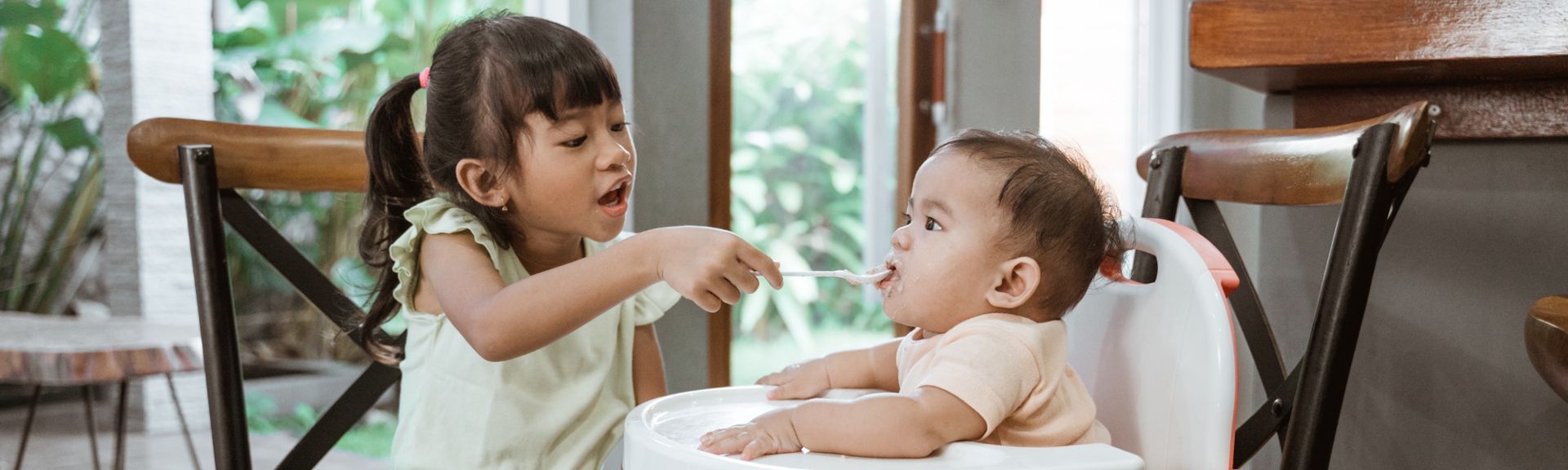
There’s no magic trick to instantly make your children love each other. Sibling relationships grow through small, everyday moments: the older child making silly faces to make the baby laugh, holding the baby for the first time, or feeling proud when the baby smiles at them.
Your role isn’t to eliminate every challenge but to provide a safe environment where those challenges can be addressed. Your patience, consistency, and love are the best tools you have.
Frequently Asked Questions
What age is the hardest for adjusting to a new sibling?
Children between the ages of 2 and 4 often struggle the most because they’re in a stage of needing undivided parental attention. However, every child is different, and difficulty isn’t solely tied to age.
How long does the adjustment period last?
The adjustment can take anywhere from a few weeks to several months. It depends on your child’s age, temperament, and how you handle the transition.
What should I do if my older child acts aggressively toward the baby?
Stay calm and set clear boundaries (“We don’t hit the baby”), but also look for the root cause of the behavior. Aggression often stems from anxiety or a need for attention. If the behavior persists, consider consulting a child psychologist.
Should I move my older child’s room or bed before the baby arrives?
If you’re planning changes to their space, make them several months before the baby’s arrival so your child doesn’t associate the changes directly with the baby.
How can I explain why the baby cries so much?
Use simple explanations: “The baby cries because they don’t know how to talk yet — it’s their way of telling us they’re hungry or need a hug.” This helps your child understand and, possibly, empathize rather than feel they’re competing for attention.