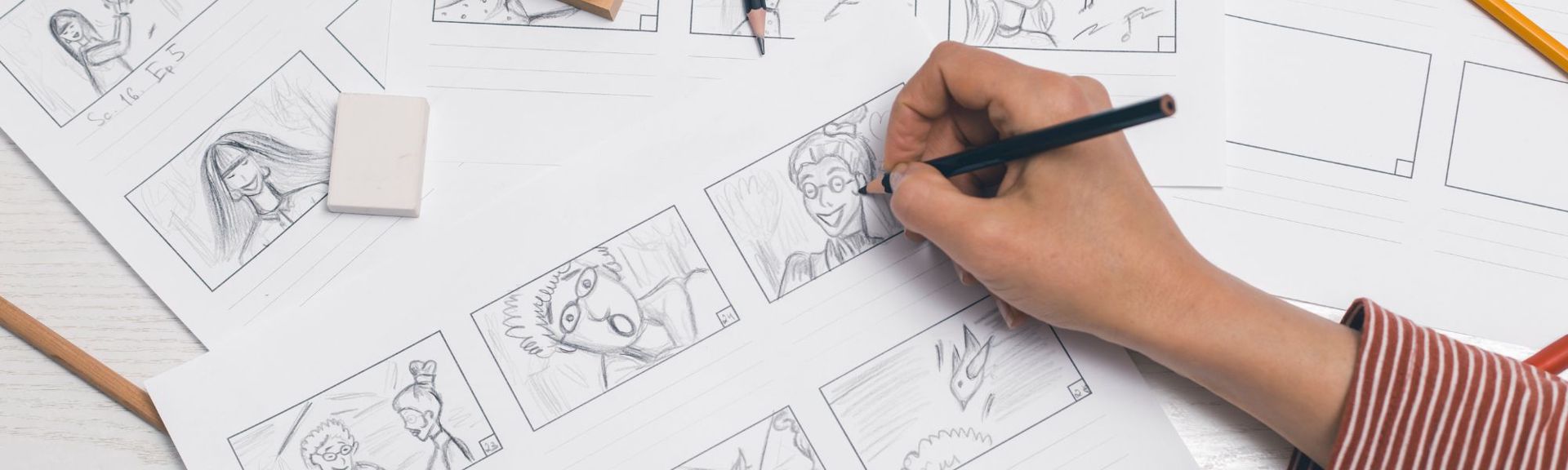

DIY Stories: How to Create Family Comics That Teach Values
Teaching meaningful values like honesty, kindness, and responsibility can sometimes feel like a lecture. Children often tune out sermons, but they love stories—especially ones involving pictures and action. Creating a family comic book is a fantastic way to turn life lessons into a fun, creative activity.
You don't need to be a professional illustrator to pull this off. All you need is paper, markers, and a little imagination. Here are some tips to help you launch your own family comic series.
Choose the "Value of the Day"
Before you start drawing, sit down with your kids and decide on the theme of the story. Instead of saying "today we will learn about sharing," ask them: "What would a superhero do if they had only one piece of cake and their friend was hungry?"
Focus on one value per story to keep the plot simple. Some ideas include:
- Courage: Doing something even if you are afraid.
- Forgiveness: What happens when someone says sorry?
- Perseverance: Not giving up when something is difficult.
Create Characters That Resemble the Family
Kids connect more deeply with a story when they see themselves in it. Base your characters on family members. You can give them funny super-names or special powers related to their values. For example, "Super-Patient Mom" or "Truth-Boy."
Let the kids design the costumes. This gives them a sense of ownership over the story and makes them more receptive to the underlying message.
Story Structure: The Conflict and Resolution
A good comic needs conflict. To teach a value, the hero must face a dilemma.
- The Setup: Introduce the hero in a normal situation (e.g., playing at the park).
- The Problem: Something happens that tests the character (e.g., they find a wallet on the ground).
- The Choice: This is the crucial moment. Draw the hero thinking about what to do. Discuss with your child: "What would happen if they kept it? What if they returned it?"
- The Resolution: The hero makes the right decision, and we see the positive outcome.
Keep the Art Simple
Don't let a lack of artistic skill stop you. Stick figures are perfectly acceptable and often very funny. The goal is communication and connection, not gallery-quality art.
If your kids are too young to draw, you can do the outlines and let them color. Another idea is to use collage. Cut out pictures from magazines or print family photos and stick them into panels, adding speech bubbles on top.
Build Your Library
When the comic is finished, staple the pages together like a book. Read it again at bedtime. When children see their own creations treated like "real books," the message of the story carries more weight. Over time, you will have a collection of stories that remind your kids of your family's values in the sweetest way possible.