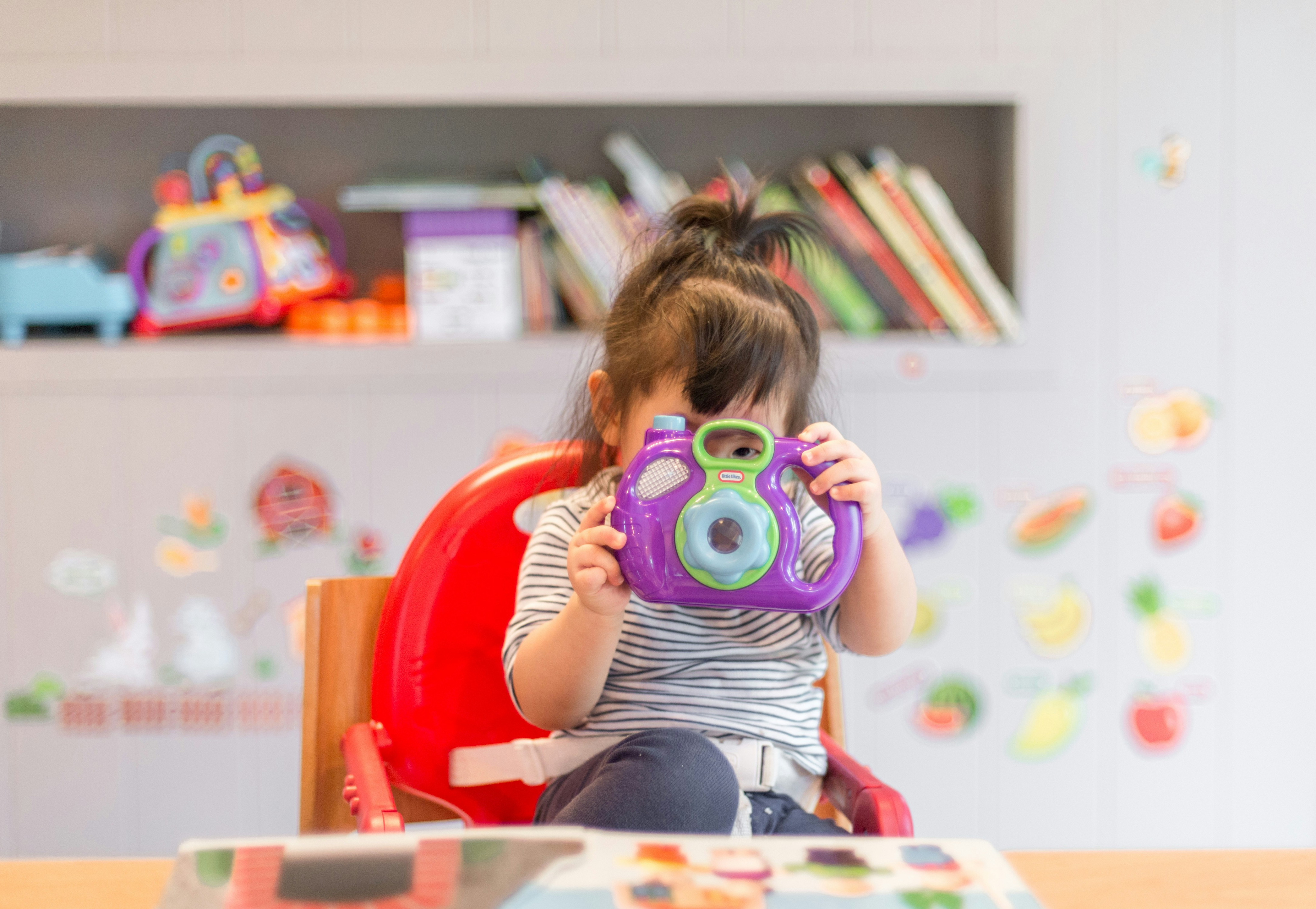
Are AI Toys Safe? What Every Parent Needs to Know
Remember the toys we grew up with? A simple doll, a wooden train set, or maybe a fiercely loved stuffed bear that was missing an eye. Life felt simpler then. Today, walking down the toy aisle feels a bit like stepping into a sci-fi movie. The teddy bears talk back, the robots learn your child's name, and the board games connect to the cloud.
Artificial Intelligence (AI) has officially entered the playroom. For many parents, this is exciting—who wouldn’t want a toy that adapts to their child’s learning pace? But for others, it raises a big red flag. You might be asking yourself: Is this thing recording my conversations? Is it safe for my toddler? Do we really need more screens?
You aren't alone in these worries. At Momizen, we believe in empowering parents with facts, not fear. We’re going to peel back the layers of smart toys, explore the benefits, tackle the safety concerns head-on, and help you make the best choices for your family.
The Rise of the Smart Playmate
AI toys aren't just coming; they are here. The global smart toy market is booming, driven by parents' desire for educational tools that give their kids a head start in a tech-driven world. Unlike traditional toys, AI toys use software to interact with users. They can process language, recognize images, and even "learn" behaviors over time to provide a personalized experience.
From interactive robots that teach coding to plush companions that help with emotional regulation, these gadgets promise to make playtime more engaging than ever. But as these toys become "smarter," the line between helpful tool and potential risk becomes blurrier.
Why Parents Are Saying "Yes" to AI (The Benefits)
Before we dive into the safety aspects, let's acknowledge why these toys are flying off the shelves. When designed well, AI toys offer incredible advantages:
Personalized Learning
One size rarely fits all in education. AI toys can adapt to your child’s skill level. If your child masters a math concept, the toy can automatically increase the difficulty. If they struggle, it can offer hints or switch to a simpler mode. This prevents frustration and keeps engagement high.
Developing Future-Ready Skills
Many smart toys focus heavily on STEM (Science, Technology, Engineering, and Math). They introduce complex concepts like coding, logic, and problem-solving in a way that feels like pure play. A robot that requires programming to navigate a maze teaches logic far better than a textbook can.
Companionship and Social Skills
It sounds counterintuitive, but some AI toys help children develop social skills. "Smart" dolls can model polite conversation, teach turn-taking, and help children practice emotional expression in a judgment-free zone.
The Big Question: Are They Safe?
Now, let's address the elephant in the room. Safety regarding AI toys usually falls into three buckets: Data Privacy, Digital Security, and Physical/Developmental Safety.
1. Data Privacy: Who Is Listening?
This is the number one concern for parents. To function, many AI toys need to collect data. This might include your child's name, age, voice recordings, or even location. The risk isn't just that the company has this data, but how they store it. If a database isn't secure, sensitive information about your child could be vulnerable to hackers.
2. The Connectivity Risk
Many AI toys connect to the internet via Wi-Fi or Bluetooth. If a toy has weak security protocols (like a default password that can't be changed), it acts as an unlocked door into your home network. In rare but publicized cases, strangers have been able to access unsecured toys to speak to children through the device. While this is the extreme worst-case scenario, it highlights why security matters.
3. Screen Time and Development
Safety isn't just about hackers; it's also about healthy development. AI toys often act as another form of screen time. There is a valid concern that if a toy does all the imagining for the child, it might stunt their own creativity. A cardboard box requires 100% imagination; a robot that tells stories requires passive listening.
A Parent’s Guide to Safe Play
Does this mean you should ban all smart toys? Absolutely not. It means you need to be a "smart" consumer. Here is your checklist for bringing AI into the playroom safely.
Do Your Homework
Before you buy, search the toy's name online followed by the words "security flaw" or "privacy scandal." If a toy has a bad history, the internet will tell you. Stick to reputable brands that have the budget and reputation to prioritize cybersecurity.
Read the Privacy Policy (Yes, Really)
We know it’s boring, but scan the policy for these key terms:
- Data Retention: Do they keep voice recordings forever, or delete them periodically?
- Third-Party Sharing: Do they sell your data to advertisers? (If they do, put the toy back on the shelf).
- Parental Rights: Can you request to see and delete the data they have collected on your child?
Secure the Connection
- Change Default Passwords: If the toy connects to an app or Wi-Fi, change any default passwords immediately to something strong and unique.
- Use a Guest Network: If your router allows it, connect smart toys to a "Guest Network" rather than your main home Wi-Fi. This keeps them isolated from your personal computers and financial data.
Turn It Off
When the toy isn't being used, turn it off completely. Not just "sleep mode," but powered down. This stops any potential data transmission and saves battery life.
Common Pitfalls to Avoid
Even with the best intentions, parents can slip up. Avoid these common mistakes when shopping for smart toys.
- The "Set It and Forget It" Trap: Don't just hand the toy over and walk away. Especially in the beginning, play with your child. Understand how the toy interacts. This allows you to spot any weird glitches or inappropriate responses immediately.
- Ignoring Updates: Firmware updates are annoying, but they often contain critical security patches. If the app notifies you of an update, install it immediately. Ignoring updates leaves the "digital door" unlocked.
- Overestimating the "Smart" Factor: Just because a toy is AI-powered doesn't mean it replaces human interaction. A storytelling robot is great, but it doesn't replace the bond of you reading a bedtime story to your child. Treat these toys as supplements, not replacements.
Our Top Picks for Balanced Play
At Momizen, we believe in a balanced toy diet—a mix of high-tech wonder and low-tech creativity. Here are our top recommendations for this season.
(Note: The following links are affiliate links. If you purchase through them, we may earn a small commission at no extra cost to you. We only recommend products we truly believe in!)
Smart & Safe AI Choices
1. The Coding Companion Robot Perfect for: Ages 5-10 This isn't just a remote-control car; it’s a logic teacher. We love this robot because it focuses on local play. It teaches coding logic without needing constant cloud connectivity, meaning your data stays safe. It grows with your child, offering simple commands for beginners and complex Python coding for older kids.
- Why we love it: High educational value with low privacy risk.
2. The Interactive Storyteller (Screen-Free) Perfect for: Ages 3-7 This audio player uses smart technology to let kids choose their own adventure, but it does so without a screen. It uses physical figures or cards to trigger stories and songs. It connects to Wi-Fi for updates but plays offline, making it a safe bet for privacy-conscious parents.
- Why we love it: All the magic of tech without the zombie-stare of screen time.
The Classics (Because Sometimes Simple is Best)
3. The Ultimate Wooden Building Set Perfect for: All Ages No batteries, no Wi-Fi, no updates. Just pure physics and imagination. A high-quality set of wooden blocks or planks is the ultimate "open-ended" toy. It encourages engineering skills and patience that AI simply cannot replicate.
- Why we love it: It never runs out of battery and virtually never breaks.
4. The Magnetic Tile Kit Perfect for: Ages 3+ These colorful magnetic tiles are a staple in modern playrooms for a reason. They bridge the gap between art and math. Children learn about geometry, magnetism, and structure naturally while building castles and spaceships.
- Why we love it: It engages the brain's spatial reasoning centers instantly.
The Verdict
AI toys are not the enemy; they are just tools. Like a bicycle or a pair of scissors, they require supervision and instruction to be used safely. By staying informed and setting boundaries, you can let your kids enjoy the magic of future-tech without compromising their safety.
So go ahead and buy that robot—just make sure you change the password first!