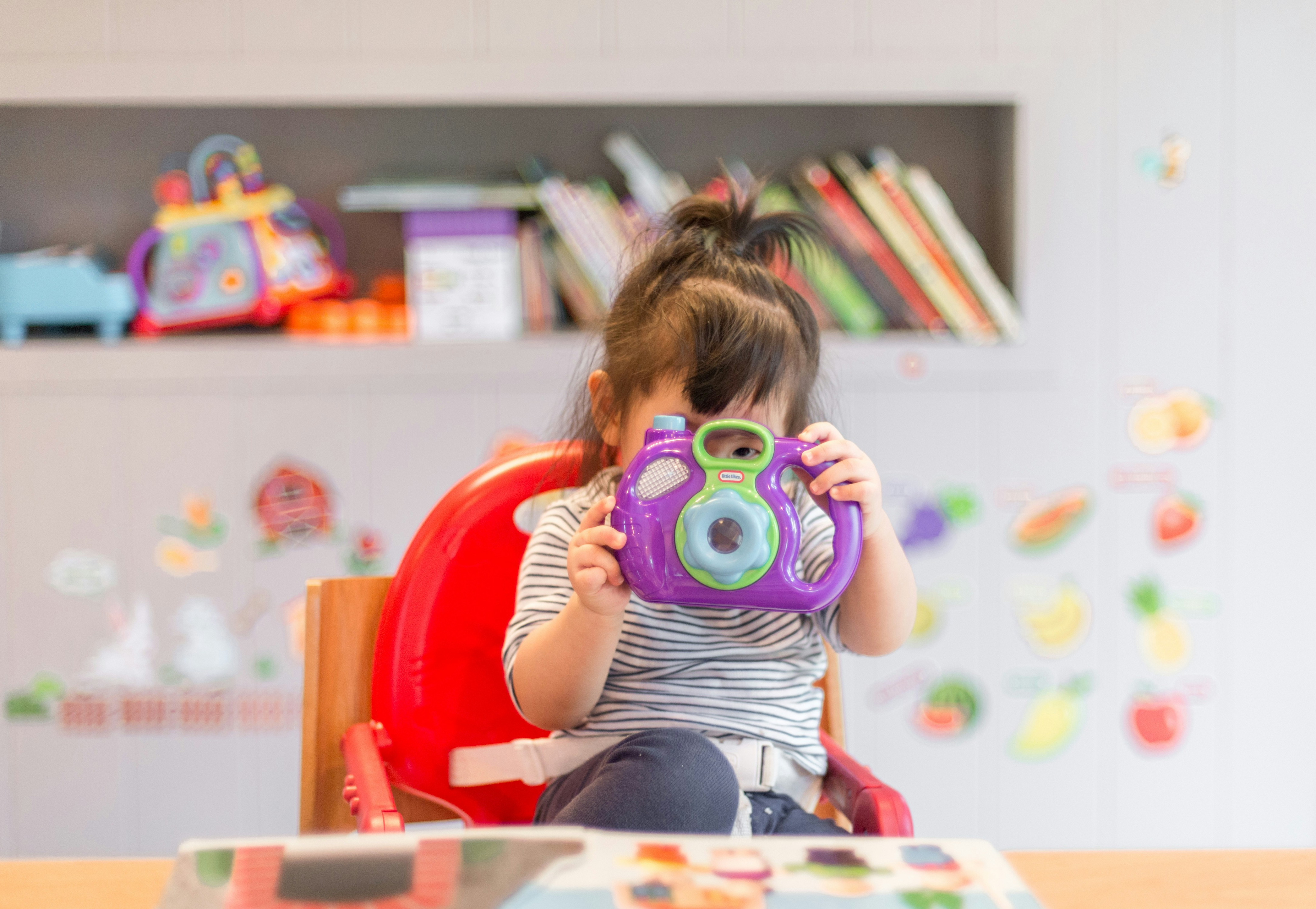
Raising kids in the digital age comes with constant screen-time negotiations. A typical day for me looks like this: “Just five more minutes of YouTube, please!” only for them to bypass Apple’s parental controls in ninety seconds flat. The friction is real.
But here’s what I’ve learned through personal experience and extensive reading on everything about kids and tech. Technology doesn’t have to be the battle. Instead, it can become a skill-building resource.
Harvard’s Graduate School of Education highlights that AI and tech education, when coupled with reflective, human-centered learning, can deepen children’s capacity for critical thinking, creativity, and empathy (Harvard Graduate School of Education).
Furthermore there is a key insight parents keep missing.
It isn’t how long kids are on screens that raises drives risky behavior, it’s how they use them. A large longitudinal study in JAMA (Journal of the American Medical Association) followed young people for years and found that addictive patterns such as compulsive scrolling, late-night gaming, distress without the phone, were linked to much higher odds of suicidal thoughts and behaviours. By contrast, total screen time alone wasn’t a strong predictor.
Global evidence says the same thing in plain terms: problems show up when digital habits displace sleep, movement and real-world relationships.
The question I explore in this article is how to change habits so that mood, sleep and friendships are not hindered.
Dr. Jonathan Haidt, the psychologist and author of ‘The Anxious Generation’ warns us that without guidance, the technology children have access to via smartphones and social media can drive anxiety and disconnection, and calls families to “break up” with devices and center real-life connection and autonomy (Parents).
One way for parents to shift the fight on screen time is to to modify bad habits with small changes and to tap into future-building time.
Start with sleep
Bedtime screens (last-minute checks, buzzing notifications, phones in bedrooms) are strongly tied to worse sleep later on.
Make bedrooms phone-free, put chargers in the kitchen, and set a digital lights-out 60–90 minutes before bedtime. Swap the final scroll for reading or drawing.
Move around the whole day
All-round movement and adequate sleep work together.
Pick two or three weekly activities your child enjoys. Football, tennis, walking or cycling in nature, climbing/bouldering, dance and swimming all count.
Real-world belonging
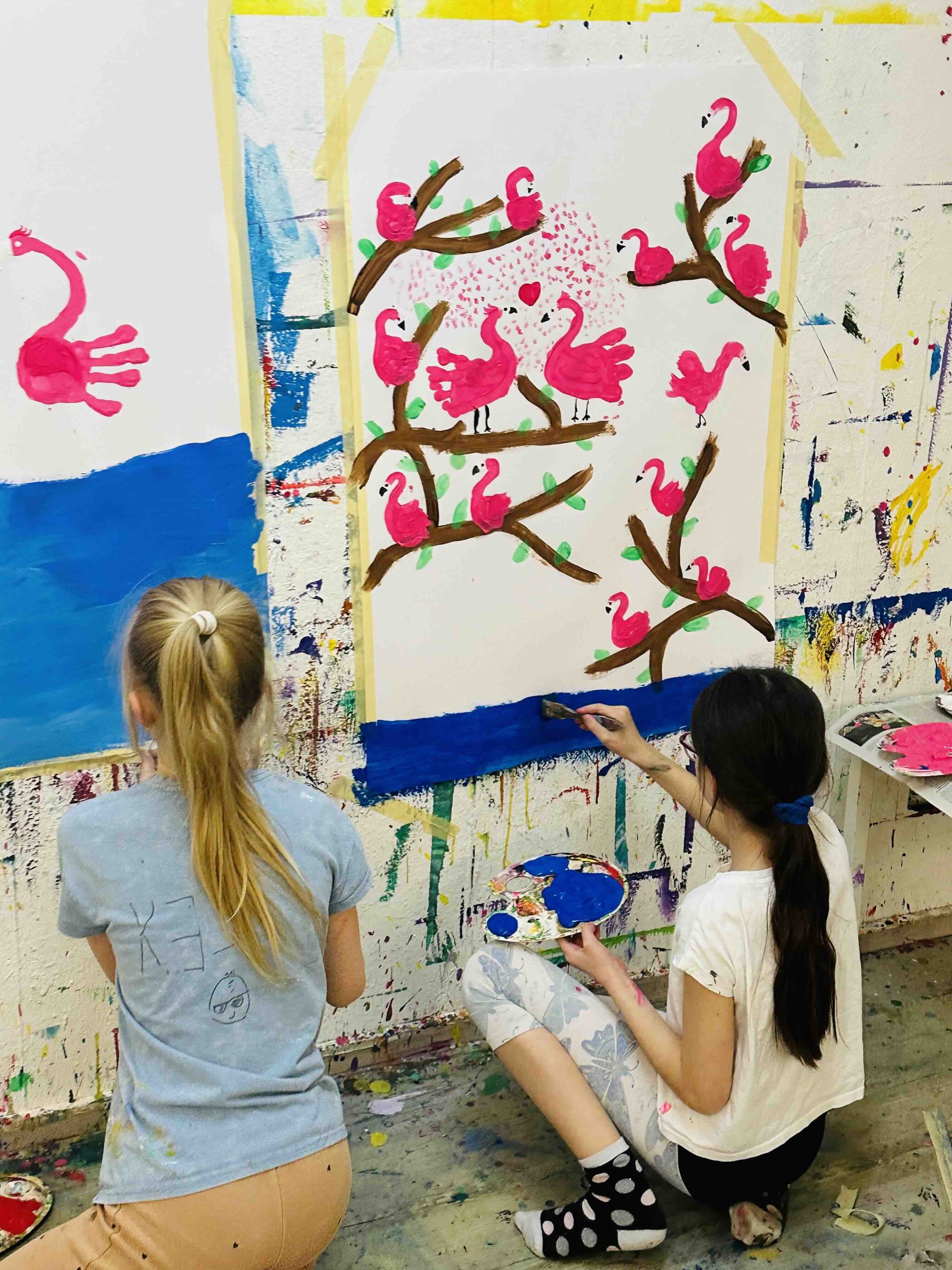
One steady peer group outside school buffers stress and diffuses the pressures found online. Book clubs, forest afternoons, Scouts and nature workshops give kids a place to belong that doesn’t depend on likes.
Keep the good in tech
Screens aren’t the enemy; endless feeds are. Replace them with structured, mentored creation: coding, robotics, LEGO engineering, 3D design or digital art. These have clear goals, time boxes and satisfying outcomes. Check out the tech camps by Futurekids.io, offering digital and robotics camps and online all over Switzerland.
What Schools Are Doing, and Where Parents Come In
In Switzerland, the Lehrplan 21 already integrates media and ICT education into schools. Children are expected to learn digital basics alongside maths, science, and languages. But as this is a new subject and requires infrastructure, the depth and quality of digital education vary greatly by canton and even by school. Some schools offer robotics labs, while others test theoretical understanding.
Globally, countries like Finland and Singapore are embedding coding and AI into early education, while Germany has begun scaling “digitale Bildung” initiatives nationwide. Switzerland is innovative at the university level, considering the ground breaking tech growth in ETH Zurich and EPFL Lausanne, but our children’s digital literacy journey often depends on personal initiatives, where they live and how much support parents provide outside school.
That’s where after-school programs and holiday camps come in. Parents can bridge the gap and give kids early access to tools that might otherwise be missing from the classroom.
Turning Screens into Creative Power Tools
Children aren’t born to passively scroll, they’re born to create. From simplistic apps to generative AI, tech invites creation.
Consumers → Creators. Rather than endlessly streaming cartoons, many kids I meet through after-school programs and classes now design their own games, program robots that respond to commands, and remix AI stories they build themselves. They don’t just watch, they build.
Why It Matters:
- Learning through doing builds resilience, and failures become debugging opportunities, not frustration.
- Coding and robotics teach cause-and-effect in a tangible, hands-on way.
- Working with peers in tech projects builds collaborative problem solving and communication, something screens alone can’t teach.
Why Future Skills Matter: Jobs Our Kids Don’t Even Know Yet
By 2030, 65% of today’s primary school children will work in jobs that don’t yet exist (World Economic Forum). Careers in AI ethics, robotics design, biotechnology, data science, and digital health will be common options.
An understanding of how AI works and why the tools we use work the way we do will be central to every industry. By channeling their gravitation to screens into skills at the same time, we’re not just reducing family friction (hopefully) we’re contributing even to the slightest their education and employability.
Why This Approach Works
- AI as a Learning Tool, Not a Blackbox: Kids learn how algorithms work, fostering both technical fluency and ethical awareness, a skill that no quiz app can teach.
- Emotional Safety in Learning: As Haidt emphasizes, kids need freedom and guidance, tech can deliver both if framed intentionally (Parents)
Local Options Across Switzerland – Futurekids Classes
At Futurekids.io, tech becomes a playground. Classes (ages 5–17) across Switzerland are hands-on, engaging, and perfect for transforming screen time:
- Holiday Camps (5–14 yrs)
- Full-day or half-day camps in Robotics, Coding, and Video Game Creation. Kids build, code, and experiment in fun, collaborative environments.
- Weekly Courses (8–14 yrs)
- Hands-on Robotics and Programming courses across Switzerland, offered after school during the academic year, with a focus on creativity, teamwork, and problem-solving.
- Online Workshops via Discord (8–14 yrs)
- Younger kids (8–11 yrs): Learn Scratch & 3D Design in small, interactive groups.
- Older kids (11–14 yrs): Dive into Roblox Programming to build games, apps, and websites with peers online.
- Available both during holidays or as weekly sessions throughout the school year.
- Teen Tech Camps (14–17 yrs)
- For teens ready to go further: Advanced Game Design, Programming & 3D Modeling in collaborative, project-based settings.