
Tired Parent? Ideas for Quality Time with Your Kids
Feeling drained after work doesn’t mean you’re failing as a parent. With simple, low-energy activities — like interactive storytelling, calming board games, or cooking together — you can create meaningful moments with your kids, even when your energy is at rock bottom.
You walk through the door after an exhausting day. Your mind feels blank, your feet are heavy, and all you want is a moment of peace. Then, you’re met with an eager look and the words: “Will you play with me?”
This moment is one of the most common dilemmas of modern parenting. You want to be present, to connect with your child — but your body and mind feel completely spent. The good news? You don’t need a ton of energy for quality time. You just need the right approach.
Why Are Parents So Exhausted After Work?
Post-work fatigue isn’t just physical. It’s also mental — what psychologists call “cognitive exhaustion,” which comes from hours of decision-making, problem-solving, and social interactions. Research in occupational psychology shows that cognitive fatigue significantly affects self-regulation — the patience, emotional availability, and creativity that parenting often demands.
This explains why so many parents feel guilty: it’s not that they don’t love their kids — it’s that their brains have literally run out of resources for the day.
What Does “Quality Time” Really Mean?
Quality time isn’t measured in hours but in presence. A study published in the Journal of Marriage and Family found that the quality of parent-child interactions has a greater impact on a child’s emotional development than the total amount of time spent together.
This means that 20 minutes of genuine connection — no phones, no distractions — is worth far more than two hours of “being around” while your mind is elsewhere.
Smart, Low-Energy Activities for Exhausted Parents
Shared Storytelling
Lie on the couch and start a story with one sentence. Then, let your child add the next part. This activity requires no physical effort but creates a strong sense of connection while nurturing your child’s imagination. Just listen and react with enthusiasm — even if your energy is limited.
Calm Board Games
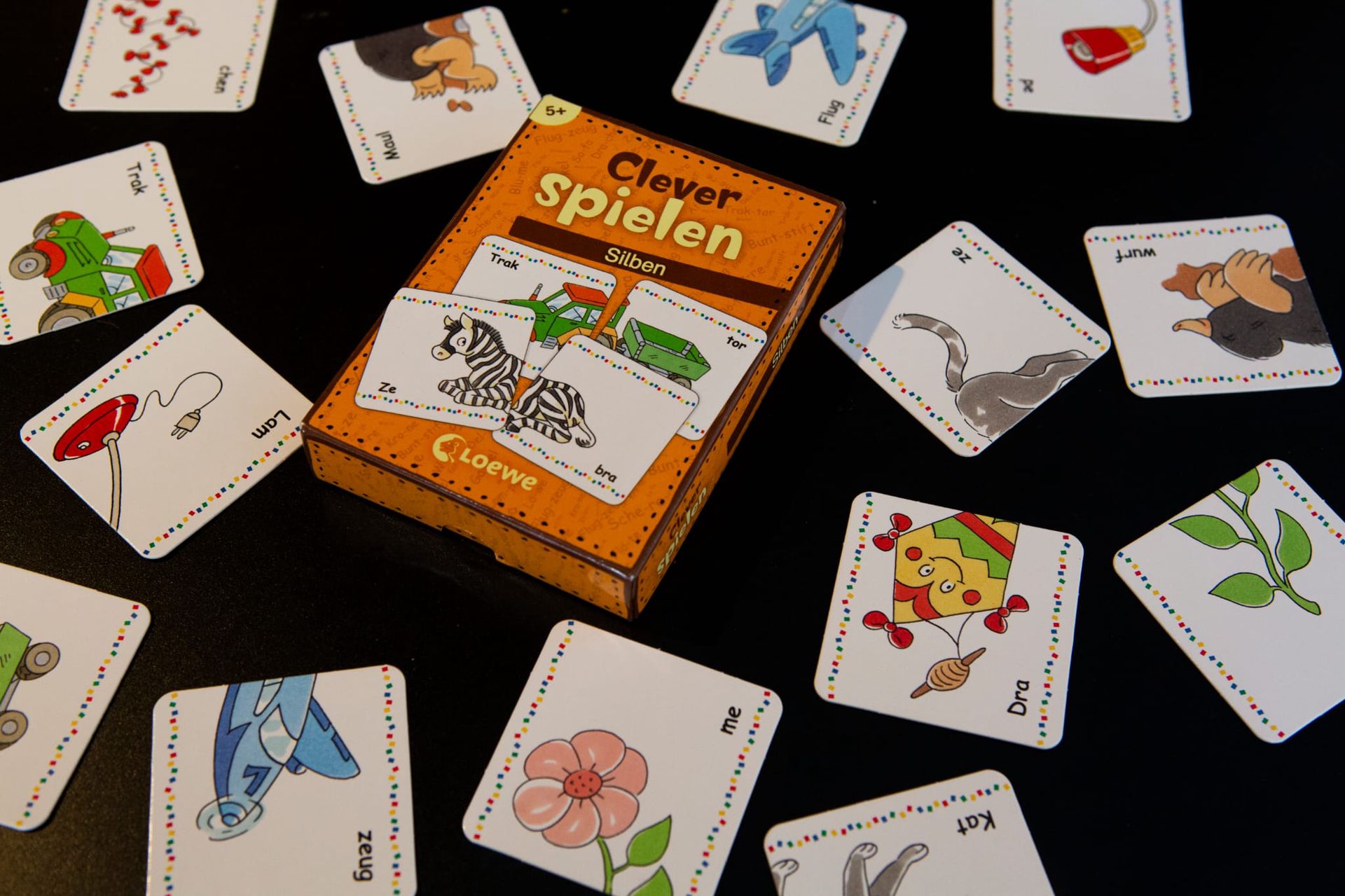
Games like Uno, Dobble, or even a simple game of “Go Fish” are perfect for tired parents. You can play while sitting down, they don’t require much mental effort, and your child will feel like they have your undivided attention. These games are one of the easiest ways to bond without draining your energy.
Cooking Together — Even for Snacks
You don’t need to whip up a full meal. Making a simple sandwich, slicing a banana with peanut butter, or pouring a bowl of cereal can turn into a mini “mission” you do together. Kids love helping in the kitchen, and you’re accomplishing something that needs to be done anyway.
“I Spy” with Books or Magazines
Flip through a picture book or magazine together and ask your child to find specific objects on each page. It’s calm, requires minimal effort from you, and keeps your child completely engaged.
The “Home Tour Guide”
Hand your child a “microphone” (like a remote or pen) and ask them to give you a guided tour of the house, explaining what they see. It’s a simple imagination game that keeps them occupied and makes you feel involved without much effort.
How to Handle Guilt When You’re Not at Your Best
Guilt is one of the most common feelings parents experience after a tough, tiring day. But guilt isn’t productive — it drains the energy you need to make a change.
Instead of self-criticism, try a more realistic perspective: a parent who recognizes their limits and finds alternative ways to connect teaches their child something incredibly valuable — that self-care and adaptability are life skills, not weaknesses.
Here’s a helpful practice: when you get home, take 10 minutes for yourself before stepping into “present parent” mode. Go for a short walk, drink some water, or sit in silence for two minutes. This reset can make a huge difference in the quality of connection that follows.
Small Habits That Can Transform Your Evening
You don’t need to overhaul your entire routine. A few small changes can turn a tired evening into a fond memory:
Put your phone on silent for 30 minutes once you’re home. This simple act sends a clear message to your child: “I’m here for you.”
Create a small “reconnection ritual” — a hug, a question like “What was the best part of your day?”, or a joke you share every evening. Kids love repetition — it gives them a sense of security.
Finally, don’t underestimate the power of shared quiet time. Sitting side by side while each of you does your own thing is also a form of connection — and sometimes, all your child needs is to know you’re there.
Presence Is the Gift
Parenting isn’t a marathon measured by how many games you played or how many hours you spent every evening. It’s defined by the moments when your child felt seen, heard, and loved — even when you had nothing left to give.
Fatigue will always be part of the equation. But with the right strategies, you can make it less of a hurdle and more of a starting point for a different — yet equally meaningful — form of connection.
Frequently Asked Questions (FAQ)
How much time with my child is enough after work?
There’s no “right” amount. Even 15–20 minutes of uninterrupted, quality attention can fulfill your child’s emotional need for connection. Quality always outweighs quantity.
How can I explain to my child that I’m tired?
Depending on their age, use simple language: “Mom/Dad is feeling a little tired today, but I still want to spend time with you. How about we play something quiet together?” Honesty also models emotional intelligence.
What if my child wants high-energy play and I’m too tired?
Offer an alternative with a positive spin. Instead of saying “I can’t,” try, “Let’s play something different today — you get to be the leader of our story!” Kids respond better to alternatives than outright refusals.
Is it okay to watch TV together as “quality time”?
Yes, under certain conditions. If you’re watching something together, commenting, laughing, or discussing what you see, there’s interaction. Passive watching without communication, however, doesn’t replace meaningful connection.